Asher Sisneros
Aspiring law student, infrequent blogger
I write essays about history, philosophy, politics, and life.


Hollywood Satire: His Girl Friday (1940)
His Girl Friday (1940) is about one domineering newspaperman’s attempts to win his ex-wife back before she marries an insurance salesman. But he does not try this through conventional means and sweet-talk. He does this by pulling her back into the world of journalism, which convinces her that she loves the exciting life with him…


Jan Narveson: Why Charity is Optional
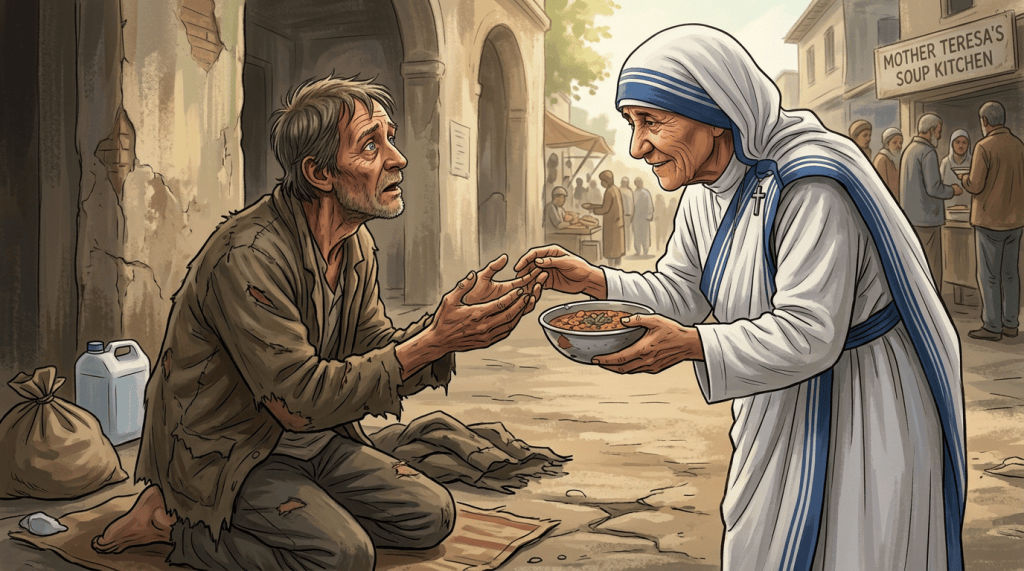
The million-dollar question is whether we have a responsibility to feed the hungry. Although Narveson says it is a morally admirable thing to do, he also says it is not a responsibility. The problem, as he points out, is that even if you accept a utilitarian premise, there is no guarantee that feeding the poor…

‘The Bad and the Beautiful’ (1951): The Cost of Hollywood’s Studio System
The Bad and the Beautiful (1951) is a film about the rise and fall of a young and ambitious Hollywood producer named Jonathan Shields. On his way to the top, he screws over three people: a director, an actress, and a writer. But even though they hate him, his brilliance and unyielding standards also turned…
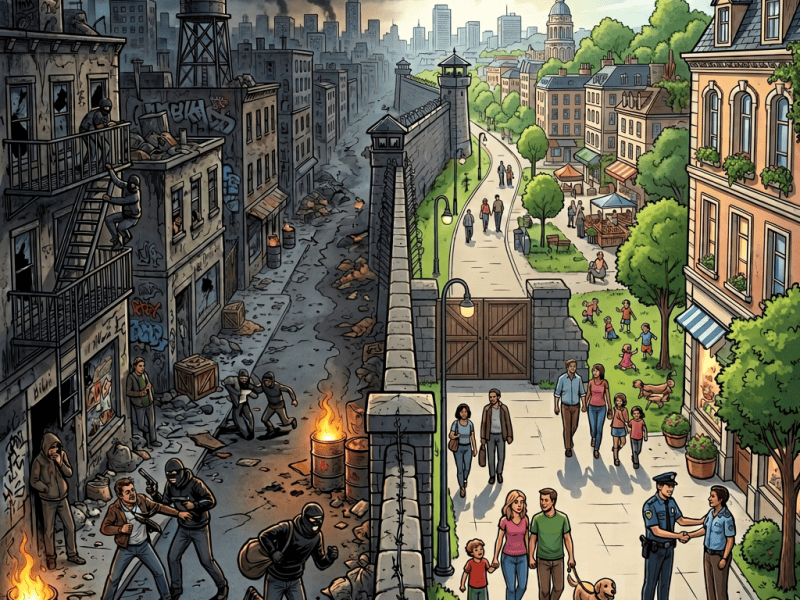
Have Robbery Statistics Improved? Do Our Perceptions About Crime Reflect Reality?
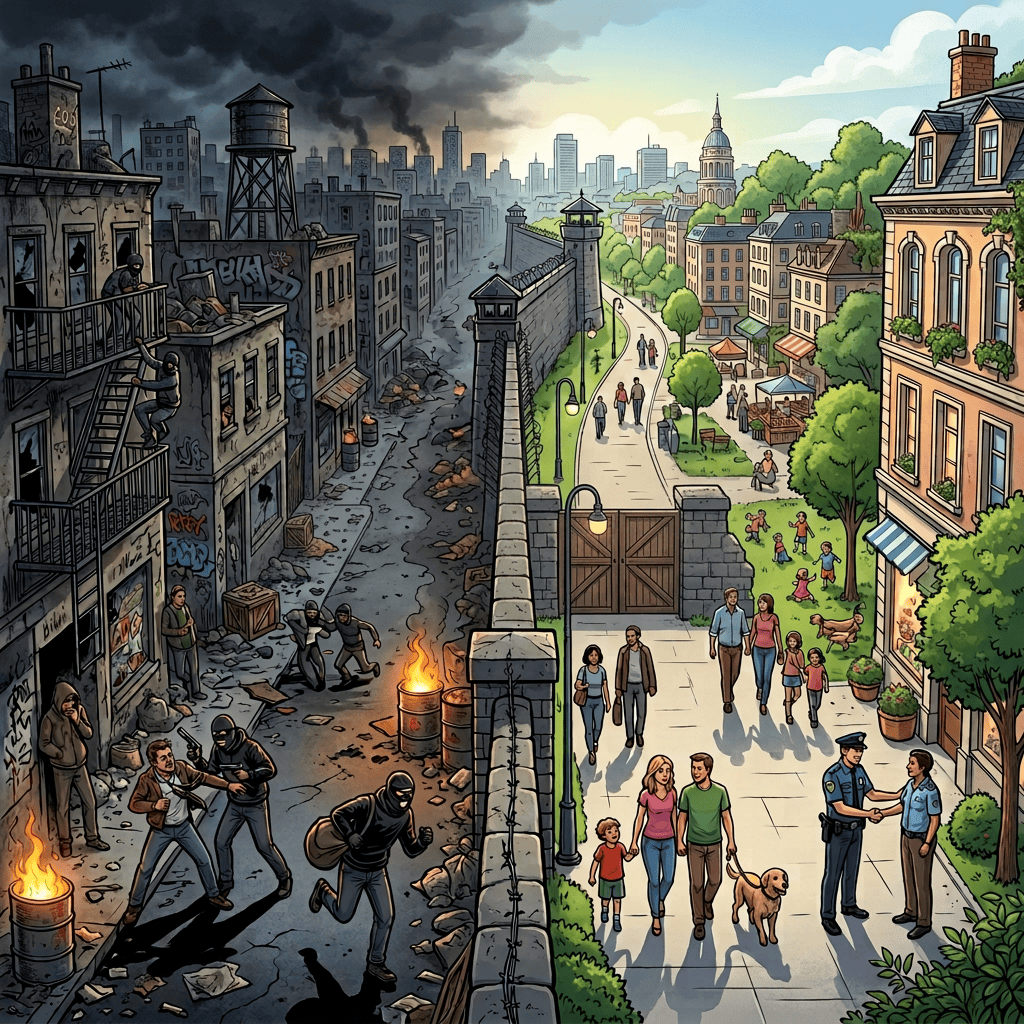
Our attitudes about the world are one thing, and they can be remarkably strong. But reality is another thing, and it can be something very different. This happens because our attitudes are affected by far more than just reality. They are affected by things such as longstanding religious beliefs and historic cultural attitudes, individual friends…
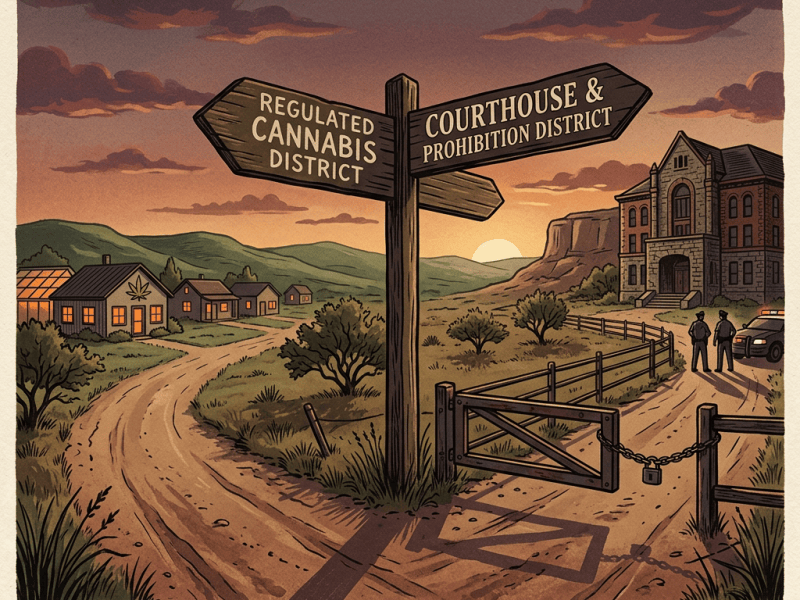
Conflict Theory on Illegalized Marijuana
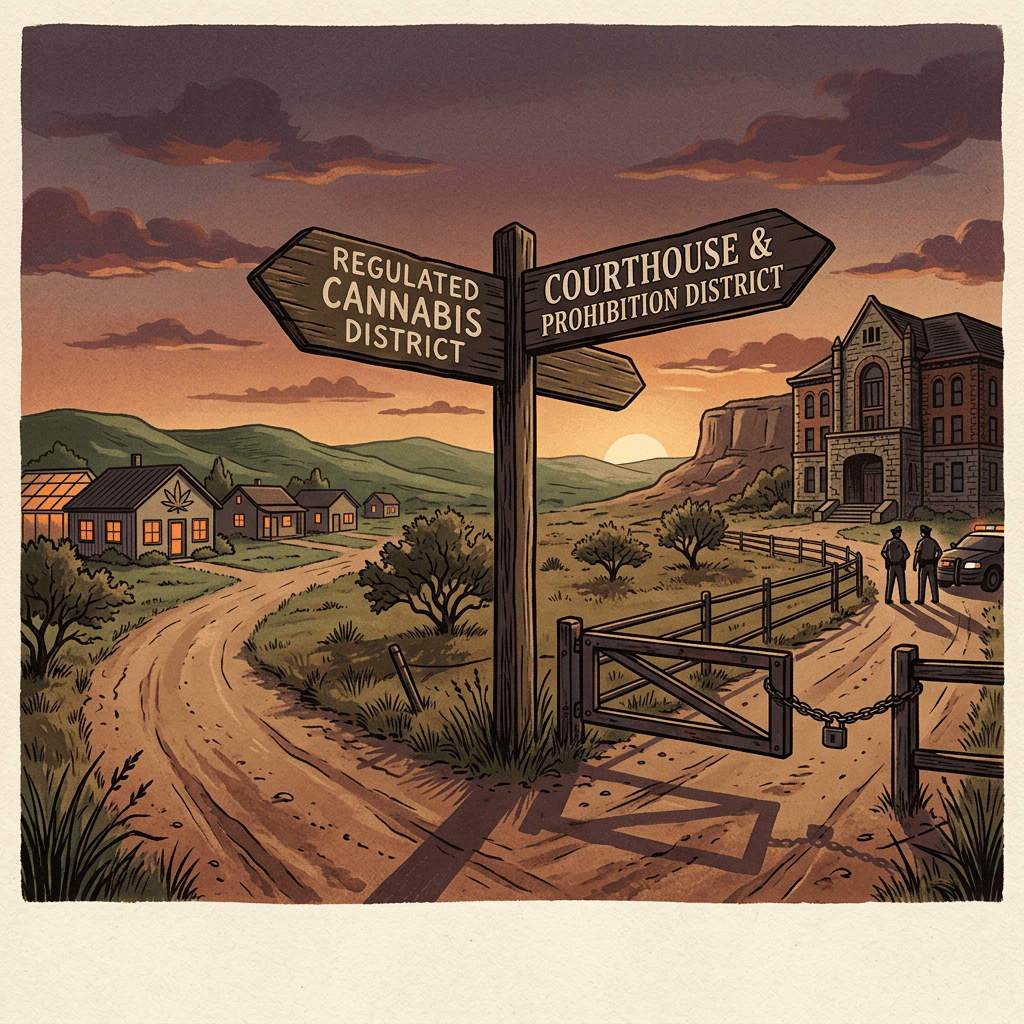
As we study the nature and behavior of cultures and societies, there’s often a disparity between what’s legal and what’s socially acceptable (Conerly et al 2021). For example, cheating on your wife is very scandalous. Your friends will probably judge you. They may even ostracize you. But will the justice system do anything? As far…
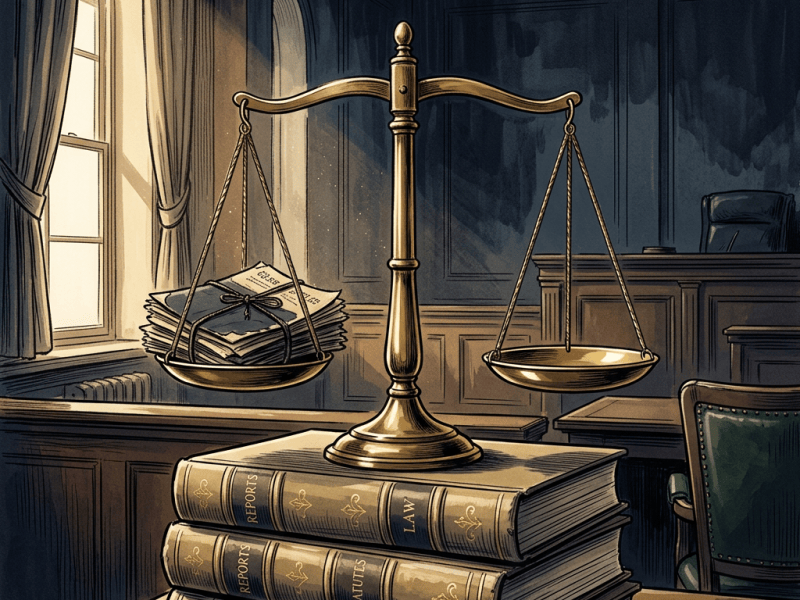
Stare Decisis: Should the courts follow precedent when precedent is wrong?
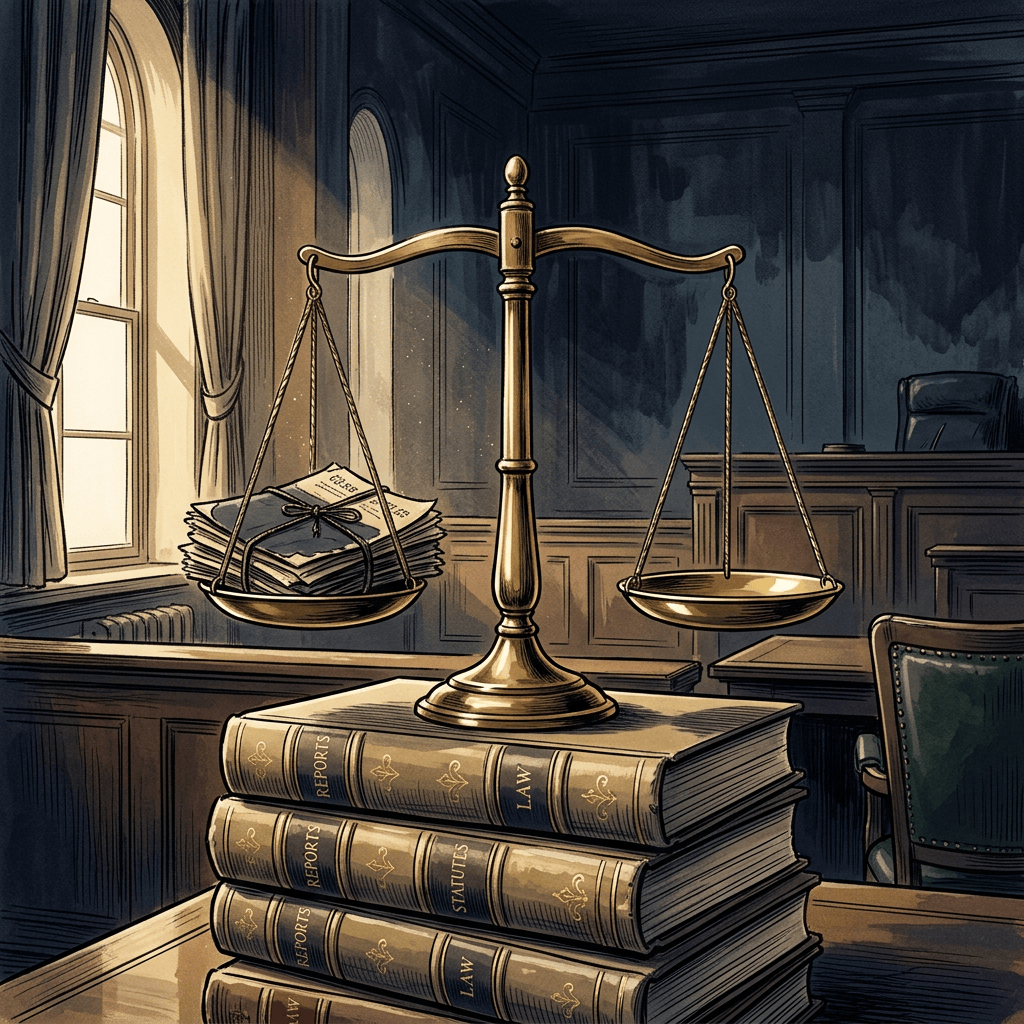
The Issue: Stare Decisis The U.S. Supreme Court is very controversial today. Some people think we need a strong Supreme Court to maintain a horizontal separation of powers between the three federal branches of government. Others think a strong court creates a duopoly of power between the executive and judicial branches of government, which helps…
Archives
- October 2026
- September 2026
- March 2026
- February 2026
- April 2025
- March 2025
- February 2025
- January 2025
- December 2024
- November 2024
- October 2024
- September 2024
- August 2024
- July 2024
- June 2024
- May 2024
- April 2024
- March 2024
- February 2024
- January 2024
- December 2023
- November 2023
- October 2023
- September 2023
- August 2023
- July 2023
- June 2023
- May 2023
- April 2023
- March 2023
- February 2023
- January 2023
- December 2022
- November 2022
- October 2022
- September 2022
- August 2022